Your Guide To Orthodontics When You’re Sick

Getting sick is never fun, but when you’re in the middle of orthodontic treatment, you might wonder how that cold, flu, or sinus infection affects your or. Here’s the good news: being under the weather doesn’t pause your treatment. Your braces stay in place, and your aligners keep working even when you’re feeling your worst. Consider this your guide to orthodontics when you’re sick, covering everything from daily hygiene to when you should reschedule a visit. Our Clinton and Madison patients deal with this more often than you’d think, especially during cold and flu season.

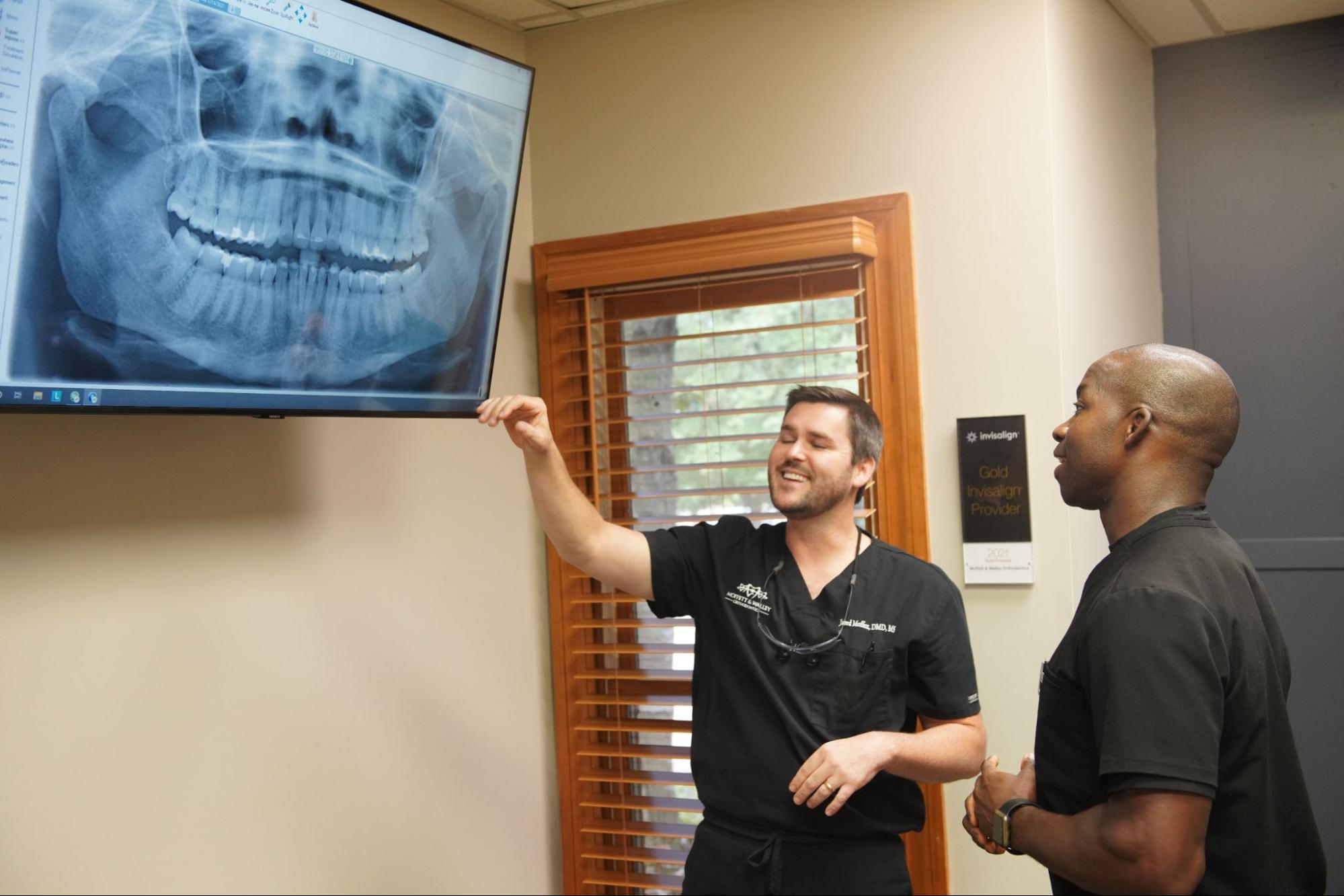
Orthodontic team members Dr. Moffett and Dr. Garvey smiling in a modern clinic, promoting clear braces and patient care at Moffett & Walley Orthodontics.

What Happens to Your Orthodontic Treatment When You Get Sick?

Congestion dries out your mouth. Medications change your saliva. Your whole routine shifts. All of that affects what’s happening with your teeth and gums. The brackets, wires, and aligners themselves aren’t going anywhere, but illness can throw a few curveballs at your oral health that are worth paying attention to.

From a scratchy throat to a stubborn sinus infection, this guide will help you care for your smile while you recover. The team at Moffett & Walley Orthodontics in Clinton and Madison, put together these tips based on the questions patients ask most often during sick season.

How to Maintain Your Orthodontic Routine While Recovering

To maintain your orthodontic routine while sick, keep brushing and flossing, choose sugar-free medications, stay hydrated with water, remove aligners if vomiting, and replace your toothbrush after recovery.

Spending extra time in the bathroom is the last thing you want when you’re under the weather. But skipping your oral hygiene routine, even for a few days, can cause problems. Bacteria love to multiply when your immune system is busy fighting off illness. At Moffett & Walley Orthodontics, we remind patients that a few minutes of care goes a long way, even on your worst days.

Keep brushing and flossing. A quick brush is better than nothing. Plaque doesn’t take sick days, and food particles trapped around brackets or under aligners create the perfect environment for decay.

What about your medications? Many cough syrups and throat lozenges are loaded with sugar that coats your teeth and brackets. Look for sugar-free versions whenever possible. If you must take a sugary liquid medicine, rinse your mouth with water afterward.

Stay hydrated with water. It’s tempting to reach for sports drinks or orange juice. But these beverages are acidic and sugary, which is a bad combination for teeth surrounded by orthodontic hardware. Water keeps your mouth moist and helps wash away bacteria.

You’ll want to remove your Invisalign aligners if you’re vomiting. Stomach acid is incredibly harsh on tooth enamel and aligner plastic. After you’re feeling stable, rinse your mouth thoroughly with water, brush your teeth gently, and clean your aligners before putting them back in.

One more thing: replace your toothbrush after recovery. Old toothbrushes harbor the germs that made you sick in the first place. Once your symptoms clear up, toss that brush and start fresh.

Benefits of Staying on Top of Oral Care When You’re Sick

Brushing and flossing while sick protects more than your breath. Consistent oral care prevents permanent white spot lesions around brackets, reduces the risk of cavities and gum inflammation that can delay treatment, and supports your body’s recovery by keeping bacterial buildup in check. A clean mouth means one less thing your body has to fight.

Maintaining your protects your treatment investment and keeps your smile on track.

How Does Brushing Prevent White Spot Lesions?

Chalky white marks appear on enamel when plaque sits too long around brackets. Once they form, they’re permanent. A few days of neglected brushing during illness can create lasting damage that requires cosmetic treatment to address after your braces come off.

Can Oral Care During Illness Keep Your Treatment on Track?

Cavities, gum inflammation, and other complications can pause your treatment while they’re addressed. Consistent care during sick days helps avoid these delays.

Swollen, irritated gums on top of cold symptoms make everything more miserable. Good brushing and flossing keep gum inflammation in check so you’re not dealing with multiple sources of discomfort at once.

According to the American Dental Association, oral health and systemic health are closely connected . A clean mouth supports your immune system while it’s working to get you well.

After months of adjustments and careful brushing, the last thing you want is a setback from a few sick days. Those extra minutes of care really do matter.

Braces vs. Invisalign: Managing Each When You’re Under the Weather

Braces and Invisalign clear aligners each present different challenges when you’re sick. The biggest difference is that Invisalign wearers can remove their aligners temporarily, while braces patients need to be extra careful about sugar and cleaning around brackets and wires.


Concern Metal Braces Invisalign Clear Aligners
Sugar-free medications Essential: sugar sticks to brackets and wires Important, but aligners can be removed during medication
Vomiting Rinse mouth immediately; brush gently around brackets Remove aligners first; clean thoroughly before reinserting
Mouth breathing/dry mouth Increases plaque buildup around hardware Can cause aligners to feel tight; stay hydrated
Medicated mouthwash Use alcohol-free options to avoid irritation Rinse aligners separately; don’t soak in mouthwash
Brushing technique Careful attention around brackets even when tired Normal brushing, but clean aligners separately

At Moffett & Walley Orthodontics in Mobile, Alabama, we see that brackets and wires create lots of little spaces where bacteria hide. Sugar-free cough drops are especially important because regular ones essentially bathe your brackets in cavity-causing sugar for extended periods.

Invisalign users have one advantage: you can remove your aligners temporarily. Just don’t leave them out for hours at a time, or your teeth may shift. Mouth breathing from congestion dries up saliva, which helps fight bacteria. Sip water frequently to compensate.

What Skipping Sick-Day Oral Care Could Cost Your Treatment

Skipping oral care for even a few days while sick can lead to white spot lesions, cavities, gum disease, broken brackets from hard cough drops, warped or stained aligners, and unplanned emergency visits. These complications add cost and time to your treatment that are entirely preventable with basic daily care.

Those white spots that form around brackets are areas where enamel has been permanently weakened by acid-producing bacteria. Addressing them after treatment requires cosmetic work, an expense you didn’t plan for. Cavities or gum disease may force your orthodontist to pause treatment while these issues are resolved. A treatment that was on track could end up taking months longer than expected.

Then there are the emergency visits. Hard cough drops can break brackets. Improper cleaning can damage aligners. Neglected hygiene can cause sudden discomfort. Invisalign aligners that aren’t properly cleaned during illness can also warp, stain, or develop odors. Replacement aligners mean added expense and potential treatment delays. The team at Moffett & Walley Orthodontics sees these setbacks regularly and encourages patients to stay consistent, even when they’re feeling rough.

How Choosing a Multi-Ortho Practice Benefits Your Treatment

Should You Cancel Your Orthodontist Appointment If You’re Sick?

Cancel your orthodontist visit if you have a fever over 100°F, active flu, vomiting, or contagious symptoms. Keep your visit for minor cold symptoms, allergies, or an improving sore throat.

When to keep your visit:

  • Minor cold symptoms without fever
  • Allergies or seasonal congestion
  • A sore throat that’s improving

When to reschedule:

  • Fever over 100°F
  • Active flu symptoms
  • Vomiting or severe digestive illness
  • Any symptoms that could be contagious to others

For COVID-like symptoms, follow current health guidelines before visiting any healthcare office. The team at Moffett & Walley Orthodontics in Clinton and Madison, wants to keep everyone safe, patients and team members alike.

Missing one visit by a week or two won’t throw off your treatment. Explain your situation when you call, and reschedule for when you’re feeling better.

One exception: persistent oral discomfort during your illness, beyond normal treatment soreness, is worth a phone call. Dr. Moffett, D.M.D., M.S., and Dr. Garvey recommend addressing broken wires, loose brackets, or other promptly, regardless of your cold symptoms.

Frequently Asked Questions About Orthodontics and Illness

Can I take cold medicine with braces?

Yes, you can take cold medicine while wearing braces. Choose sugar-free liquid medications or pill forms when possible. If you must take a sugary cough syrup, rinse your mouth with water afterward and brush your teeth soon after to prevent sugar from sitting on your brackets.

When should I change my toothbrush after being sick?

Replace your toothbrush as soon as your symptoms resolve. Bristles harbor the bacteria and viruses that caused your illness. Starting fresh with a new brush helps prevent reinfection and ensures you’re cleaning effectively around your braces or before inserting your aligners.

Will being sick delay my orthodontic treatment?

Being sick usually won’t delay your orthodontic treatment, as long as you maintain reasonable oral hygiene during your illness. Short-term sickness rarely affects treatment timelines on its own. That said, complications like cavities or gum disease from neglected care can cause delays. Concerned about missed care during an illness? Give the team at Moffett & Walley Orthodontics a call, and they can let you know where things stand.

Can I wear my Invisalign aligners if I’m vomiting?

Remove your aligners temporarily if you’re experiencing nausea or vomiting. Stomach acid is extremely harsh on both tooth enamel and aligner plastic. Once you’re feeling stable, rinse your mouth thoroughly with water, brush your teeth gently, and clean your aligners before putting them back in.

Is it safe to use mouthwash with braces when sick?

Yes, mouthwash can be helpful when you’re sick and wearing braces. Choose an alcohol-free formula to avoid irritating already-sensitive mouth tissues. Swish gently around your brackets and wires. For Invisalign wearers, use mouthwash on your teeth, not to soak your aligners, which could damage the plastic.


Being sick is temporary, but your smile is an investment that lasts. Got questions about caring for your or during an illness? Need to reschedule a visit? Dr. Moffett, D.M.D., M.S., Dr. Garvey, and the whole team at Moffett & Walley Orthodontics in Clinton and Madison, are happy to help. Give us a call, and let’s keep you on track toward a smile you are proud of.