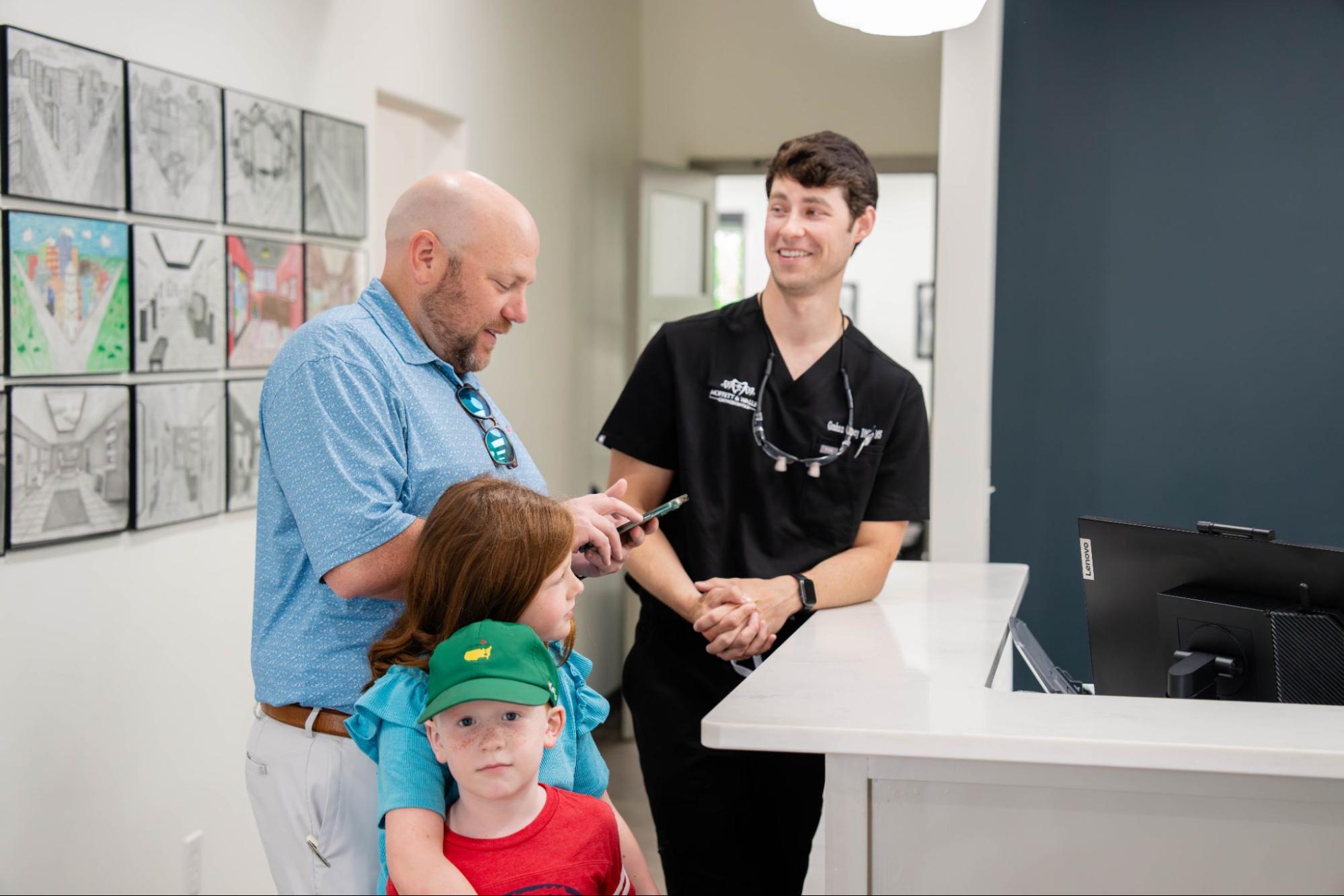
How to Choose an Orthodontist: What to Look For
Picking the right orthodontist shapes your smile for years to come. Whether you’re a parent weighing options for your child or an adult ready to start your own smile transformation, the decision deserves careful thought. This guide walks you through exactly what to look for when choosing an orthodontist, so you can feel confident from your first visit to your final retainer check.
What Choosing the Right Orthodontist Really Means
Choosing the right orthodontist means selecting a specialist who has completed two to three additional years of residency beyond dental school, focused entirely on tooth movement, bite correction, and jaw alignment. That choice sets the tone for a long-term relationship, since most treatments last 12 to 30 months from start to finish.
The right fit affects more than just straight teeth. It shapes your comfort during visits, the final result, your payment options, and how convenient care feels alongside work, school, and family life. A thoughtful match today saves time, money, and stress across the entire treatment experience.
As you compare options, keep five core criteria in mind:
- Credentials and specialty training
- Treatment options offered under one roof
- Experience with cases like yours
- Communication style and chairside manner
- Payment flexibility and insurance support
At Moffett & Walley Orthodontics, we believe every smile is unique, and we help patients of all ages weigh these factors before making a decision about care.
How to Evaluate an Orthodontist: Step-by-Step
Finding the best orthodontist doesn’t have to feel overwhelming. Follow these five steps to narrow your options with confidence and clarity.
- Ask for referrals. Start with your general dentist, since they often work closely with local orthodontists and know who delivers consistent results. Friends, neighbors, and coworkers are great sources, too, especially those with before-and-after stories you’ve seen in person.
- Verify credentials. Look for membership in the American Association of Orthodontists (AAO) and, even better, board certification. A board-certified diplomate of the American Board of Orthodontics has voluntarily passed rigorous written and clinical exams that go beyond basic requirements.
- Review the practice website. Spend time on each office’s site to learn about treatment options, in-office technology, team bios, and patient reviews. A well-maintained website usually reflects a well-run office with current standards of care.
- Schedule a free consult. This is your chance to meet the doctor, tour the office, and get a feel for the team. You’ll also learn whether the office listens to your smile goals or simply hands you a one-size-fits-all plan.
- Compare two or three practices. Weigh the customized treatment plan, payment options, and how comfortable you felt in each office. The right choice often becomes clear once you’ve seen the differences side by side.
Key Qualities to Look For in an Orthodontist
Not every orthodontic office offers the same level of training, technology, or care. As you evaluate practices, these qualities should rank high on your list, and the subsections below break down what matters most.
What Credentials and Training Should You Look For?
AAO membership is a good baseline, but board certification is a higher standard that demonstrates ongoing commitment to excellence. A board-certified diplomate of the American Board of Orthodontics has completed years of advanced study and peer-reviewed case work, which reflects a deep, lasting dedication to the specialty. Ask about residency length, continuing education, and whether the doctor regularly attends professional conferences to stay current.
Which Treatment Options Should Be Offered?
Look for an office that offers metal braces, clear braces, and Invisalign clear aligners. Having choices means your customized treatment plan can match your lifestyle, not the other way around. Offices that limit you to a single appliance type may not be able to offer the best path forward for your specific case.
How Important Is Modern Technology?
Digital scans replace messy impressions, improve accuracy, and shorten chair time. Offices that invest in current tools usually invest in training and comfort, too. Low-radiation imaging, 3D treatment planning, and in-office aligner tracking all contribute to a smoother experience from start to finish.
What About Personalized Care and Communication?
Every smile is unique, so your plan should be, too. Watch for an orthodontist who takes time to explain your options rather than defaulting to one appliance for every case. You should leave your free consult knowing what’s included in your plan, what to expect at each stage, and which payment options are available. A friendly team that answers questions patiently is a strong sign of a patient-first culture. A nearby office with after-school visits and emergency availability makes treatment far easier to manage for busy families.
Orthodontist vs. General Dentist: Who Should Straighten Your Teeth?
An orthodontist is a dental specialist who has completed two to three additional years of residency focused entirely on tooth movement, bite correction, and facial growth. A general dentist handles broad oral health care but does not receive this advanced specialty training. For complex cases, an orthodontist is almost always the better choice.
General dentists may offer clear aligners in their offices, but their training in tooth biomechanics is limited compared to a specialist. Orthodontists diagnose and treat issues a dentist may miss or underestimate, including overbite, underbite, crossbite, severe crowding, spacing, and jaw alignment concerns.
Here’s a quick comparison:
| Factor | Orthodontist | General Dentist |
|---|---|---|
| Dental school | Yes | Yes |
| Specialty residency | 2 to 3 additional years | None |
| Primary focus | Tooth movement, bite, jaw alignment | General oral health |
| Treats complex cases | Yes | Limited |
| Offers full range (braces, Invisalign) | Yes | Sometimes aligners only |
| Board certification available | Yes (ABO Diplomate) | Not applicable |
Direct-to-consumer aligner companies such as SmileDirectClub or Byte skip the in-person exam entirely. Without X-rays, a hands-on evaluation, and in-office monitoring, people face a higher risk of bite issues, root concerns, and incomplete results. Working with a board-certified orthodontist gives you professional oversight at every visit, which protects both your health and your investment.
Insurance and Payment Considerations
Understanding how treatment is paid for is part of choosing the right office, and a good orthodontist will walk you through your options before you commit.
Several factors shape your treatment plan and payment options:
- Treatment length: longer treatment can change how payments are structured
- Appliance type: metal braces, clear braces, and Invisalign clear aligners each come with different options
- Case severity: crowding, spacing, and bite issues vary widely in complexity
- Included extras: ask whether retainers, follow-ups, and emergency visits are part of your plan
When comparing offices, ask about insurance acceptance and in-network status. Many families also use FSA or HSA funds to help cover treatment, and some employers offer orthodontic benefits as part of their dental plan.
Flexible payment plans make a real difference. At Moffett & Walley Orthodontics, we offer financing tailored to family budgets, along with a free consult so you know your options before committing.
Who Should Schedule an Orthodontic Consultation?
Orthodontic care isn’t just for teenagers. Patients of all ages can benefit from a professional evaluation, and no dentist referral is required to book a visit.
Here’s who should consider scheduling a free consult:
- Children by age 7. The American Association of Orthodontists recommends a first orthodontic check-up around age 7. Early evaluation doesn’t always mean early treatment, but it helps us catch developing issues while the jaw is still growing.
- Teens. The teen years remain the most common time for metal braces, clear braces, or Invisalign clear aligners. Growth patterns and oral habits make this an ideal window for care.
- Adults of any age. It’s never too late for a confident smile. As long as your gums and teeth are healthy, treatment can work beautifully in your 30s, 40s, 50s, and beyond.
Watch for these common signs that it may be time to come in:
- Crowded, crooked, or overlapping teeth
- Visible gaps or spacing concerns
- Difficulty chewing or biting
- Jaw soreness, clicking, or discomfort
- Mouth breathing or trouble closing lips comfortably
- Feeling self-conscious about your smile
If any of these sound familiar, a free consultation is a simple, no-pressure way to learn what’s possible for your smile.

Frequently Asked Questions
How can I tell if an orthodontist is good?
Look at four areas: credentials, reviews, communication, and visible results. A good orthodontist will be a member of the American Association of Orthodontists, ideally board certified, and will have strong Google reviews from people in the community. During your free consult, pay attention to how clearly they explain your options and whether they show real before-and-after cases from their own office.
What should I ask at my first orthodontic consultation?
Come prepared with questions like: What treatment options do you recommend for my case? How long will treatment take? What’s included in my treatment plan? Do you accept my insurance? What payment options are available? Who will I see at each visit? A good orthodontic office welcomes every one of these questions and answers them without rushing.
Do I need a referral from my dentist to see an orthodontist?
No. You can schedule an orthodontic visit directly, with no referral needed. Many families book a free consult on their own after noticing crowding, spacing, or bite concerns. If your dentist does refer you, that’s helpful background, but it isn’t required to be seen.
What is the difference between AAO membership and board certification?
AAO membership means an orthodontist belongs to the American Association of Orthodontists and has completed accredited specialty training. Board certification goes further. A board-certified diplomate of the American Board of Orthodontics has voluntarily passed additional written and clinical exams and must periodically recertify. It’s a higher standard that reflects ongoing commitment to excellence throughout a career.
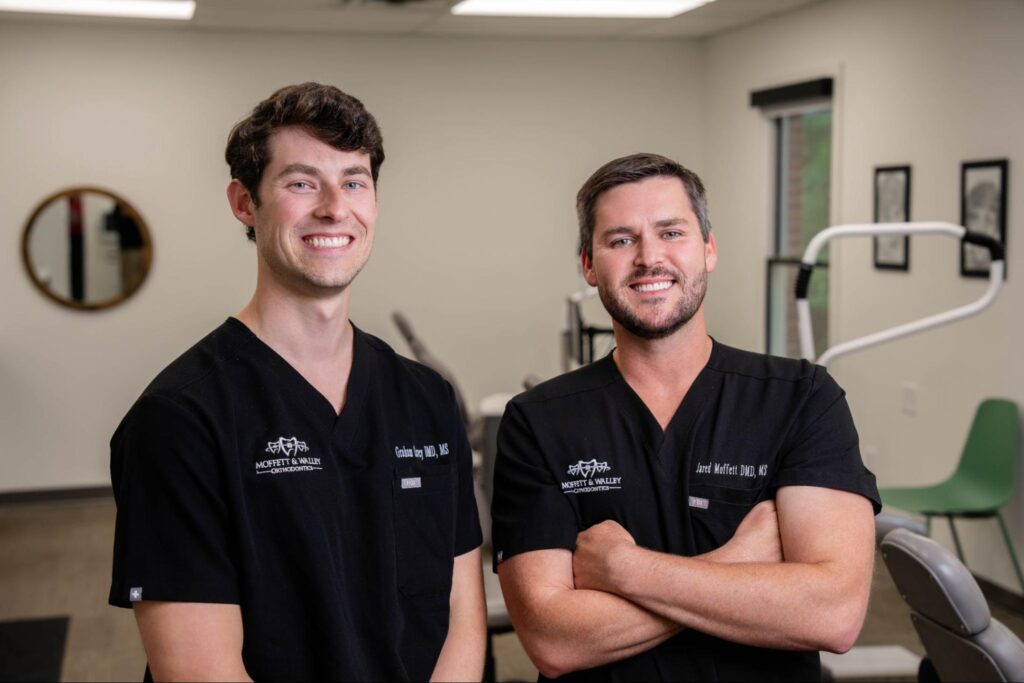
Choosing an orthodontist is a meaningful decision, and taking time to compare credentials, treatment options, technology, and chairside manner pays off across every visit. At Moffett & Walley Orthodontics, Dr. Jared Moffett, Dr. Graham Garvey, Dr. Kenneth Walley, and our team work with patients of all ages to create unique smiles for unique people. From your first visit through your final retainer check, you’ll receive personalized care built around your smile goals. Love. Give. Smile.